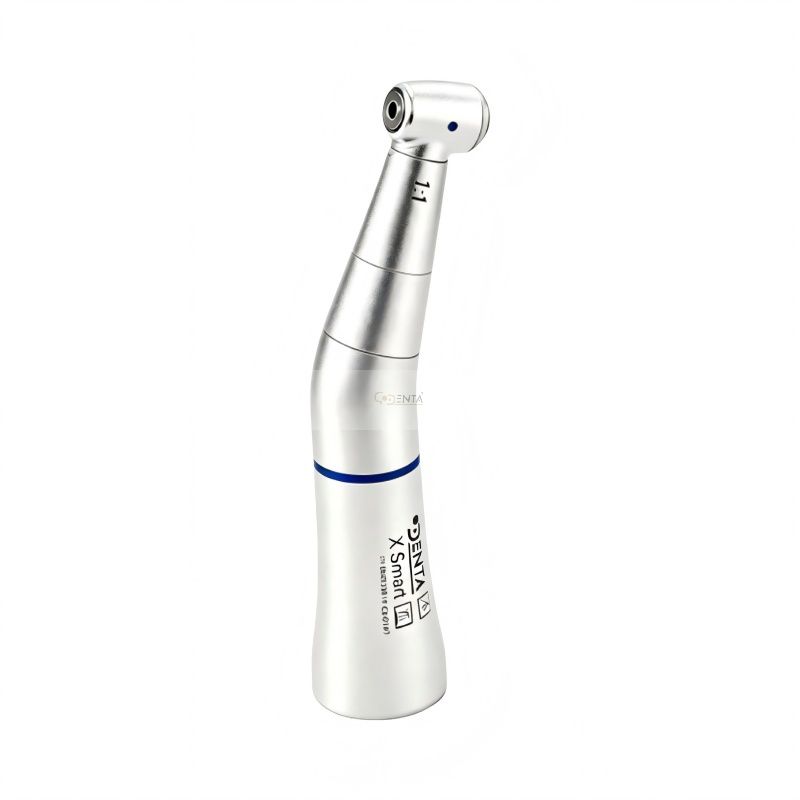
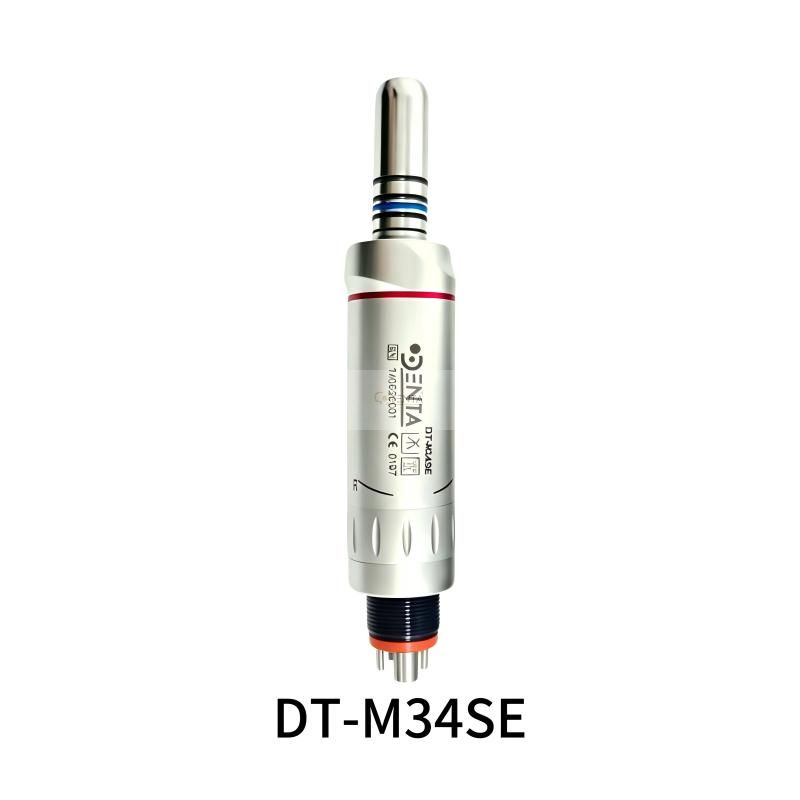
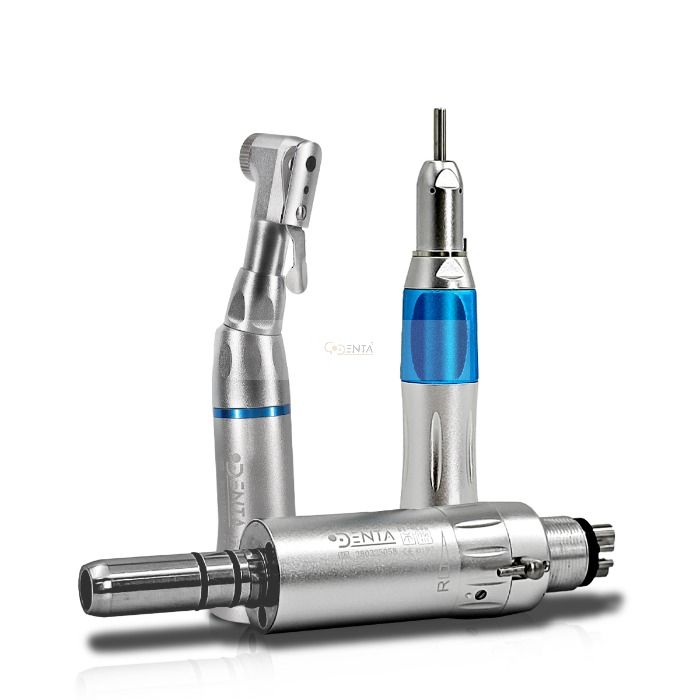
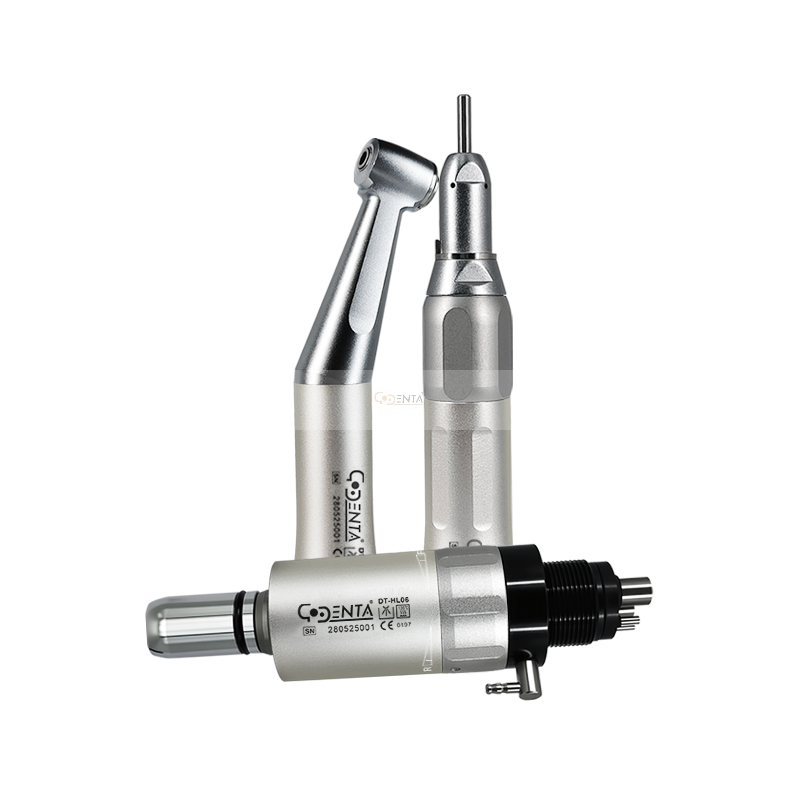
If you still think a dental handpiece is just a "rotating air drill," then you may have missed some important changes in the first half of this year.
From "loud, shaky, hot" to "quiet, stable, cool" – from "good enough" to "increasingly stringent standards" – the dental handpiece market in 2026 has quietly entered a new stage of dual intensification around experience and safety.
Whether you are a clinician holding a handpiece for eight hours a day or a clinic manager responsible for equipment purchasing, the following three trends from the first half of 2026 are well worth your attention.
Trend 1: A True "Silent Revolution"
Noise < 65dB – Say Goodbye to Tinnitus and Patient Anxiety
If you have used a mainstream new high-speed handpiece in 2026, the most noticeable difference is likely not the speed, but the quietness.
Handpieces currently on the market claim to control operating noise below 65 dB – significantly lower than the traditional 70–80 dB.
What does this mean in practice?
Significantly lower risk of tinnitus and headaches for clinicians during long procedures
Marked reduction in patient anxiety – especially in children and those with dental phobia
A clinic environment that no longer feels like a "construction site"
The key technologies driving this change are ceramic bearings and precision dynamic balancing. A vibration reduction of over 40% is no longer a gimmick – it has become standard on premium handpieces in 2026.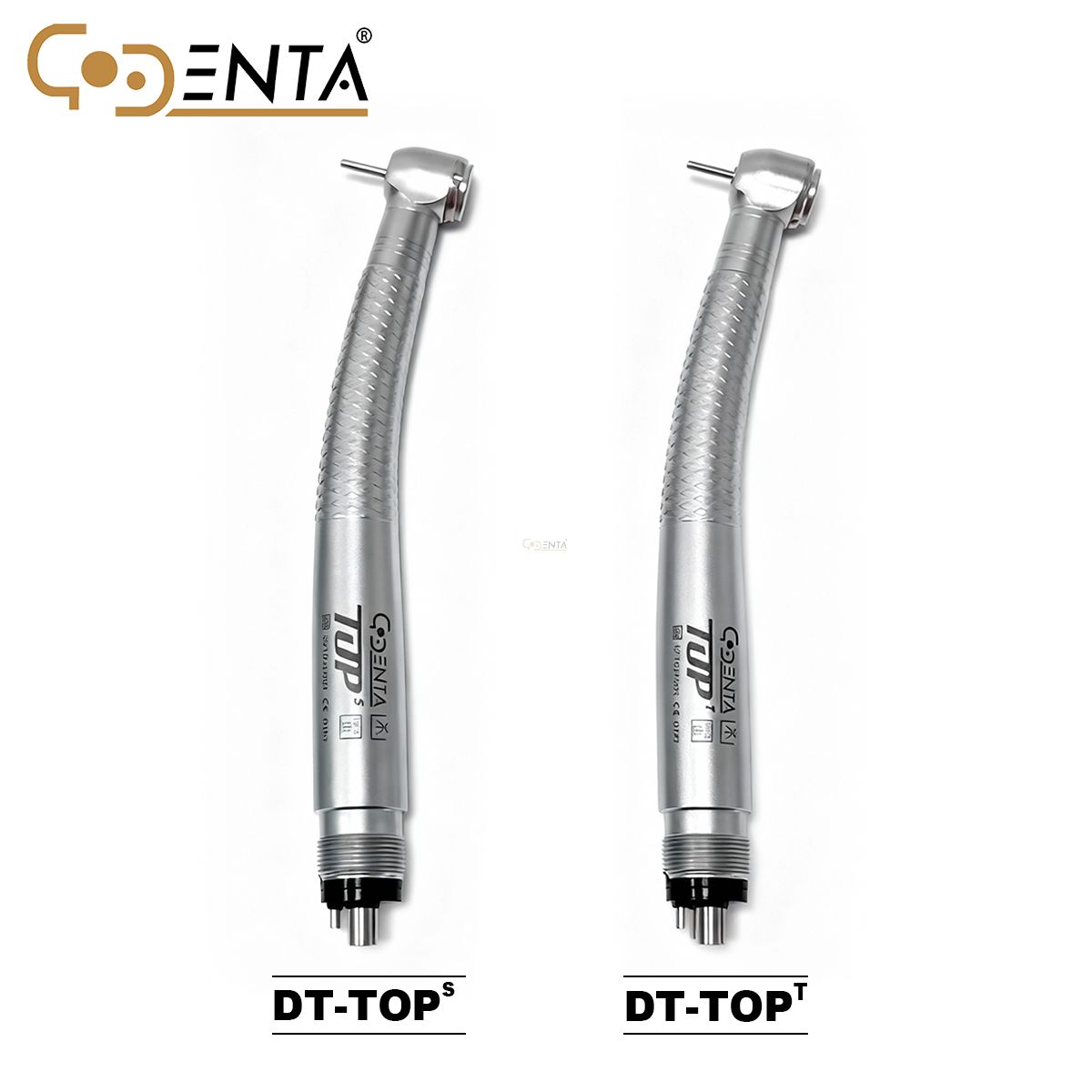
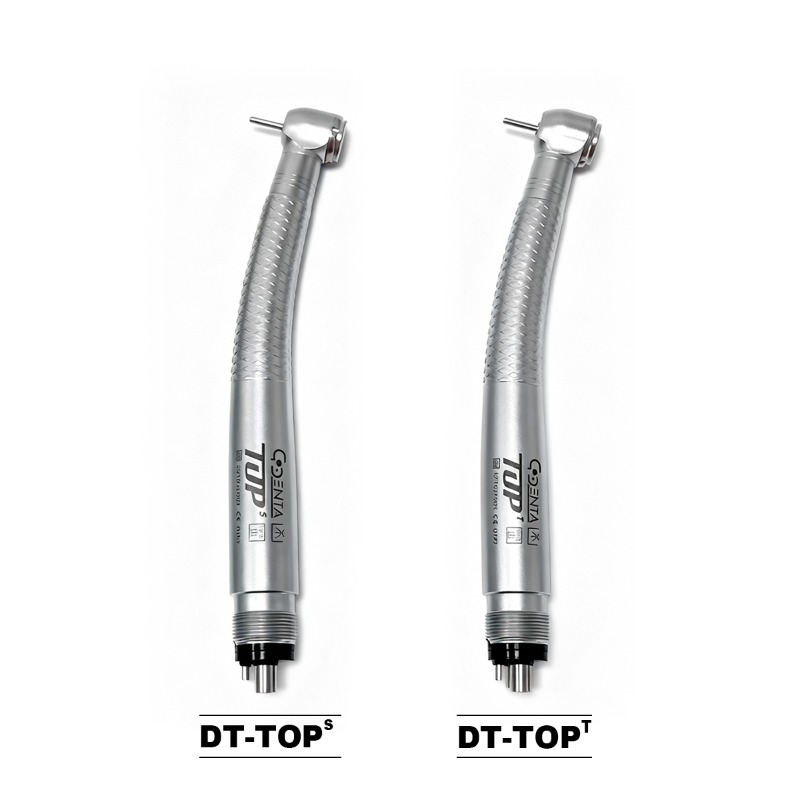
| Parameter | Specification |
|---|---|
| Product Number | DT-TOPS / TOPt |
| Air Pressure | 0.22 – 0.25 MPa |
| Rotation Speed | 330,000 – 350,000 rpm |
| Water Pressure | 0.22 – 0.25 MPa |
| Water Flow Rate | > 50 mL/min |
| Spray Pressure | 0.2 – 0.3 MPa |
| Head Dimensions | Ø 12.2 / 11.2 mm, H 13.8 mm |
| Coolant Spray System | Single-port water spray |
| Noise Level | ≤ 65 dB |
| Net Weight | 56.41 g |
Trend 2: Anti-Retraction – No Longer a Matter of Luck
The Infection Control Red Line – Determined by the Handpiece Itself
One term has been repeatedly highlighted in the dental handpiece space in the first half of 2026: anti-retraction.
The fundamental problem with traditional handpieces is that at the moment of stopping, negative pressure creates retraction, drawing blood, saliva, and microorganisms from the patient's mouth into the handpiece interior – creating a cross‑infection risk for the next use.
National requirements for dental infection control continue to tighten. At the same time, in the first half of 2026, multiple manufacturers have launched a new generation of anti‑retraction handpieces
Trend 3: Lightweight + Efficient Cooling
Less Arm Workout for the Doctor – Less "Jumping Out of the Chair" for the Patient
In the past, a full afternoon with a high-speed handpiece meant wrist, thumb, and thenar discomfort.
The clear change in the first half of 2026: titanium‑coated bodies + lightweight structures have become mainstream. Mainstream high-speed handpieces are lighter in weight and easier to hold.
At the same time, multi‑port spray cooling has become widely adopted. Its advantage is not simply "more water," but:
Effective reduction of frictional heat, protecting the dental pulp
Reduced post‑operative sensitivity and risk of irreversible pulpitis
A significantly improved patient experience
2026 Purchasing: Don't Just Look at the Brand
3 "Hidden Standards" Are Phasing Out Outdated Products
Two developments in the first half of the year deserve close attention:
The draft of the Dental Handpiece Registration Review Guidelines (2025 Revision) for public comment
The launch of group standards such as "Southern Dental Valley"
This signals one thing: the national quality bar for dental handpieces is being raised.
In the past, many purchasing decisions focused on brand, speed, and price.
Starting in the second half of 2026, we recommend adding the following three parameters:
| Standard | Why It Matters |
|---|---|
| Noise & Vibration Test Report | Directly affects long‑term clinician occupational health |
| Anti‑Retraction Test Data | Hard indicator for infection control |
| Temperature Rise / Cooling Performance | Affects post‑operative patient response and long‑term outcomes |
A good handpiece should not be judged by a few seconds of spinning when it is brand new, but by its performance under continuous use, repeated heat sterilization, and real clinical conditions.
Final Thoughts
The dental handpiece market in the first half of 2026 has not seen a "disruptive explosion" – but it has shown clear, tangible progress:
Quieter
Safer
Less tiring
Stricter standards
For clinicians, this is good news.
For clinics, choosing the right handpiece means investing in occupational health and patient reputation.
(Discussion Topic)
What is the single most unacceptable thing about the dental handpiece you are using right now?
Feel free to comment below.
 Sign Up To Our Newsletters

DENTA MED TECHNOLOGY SZ CO LTD is a professional dental equipment manufacturer integrating R&D, production and marketing. It is located in Shenzhen, China. The company is committed to the development of the dental industry. We own a core brand "DENTA", mainly providing dental Handpieces, Endor Motor, Files and some other dental instruments; And dental SPART PARTS like Autoclave Door Gaskets, dental Handpiece Tubes, Week/Strong Suction Tubes, Connectors, and so on. We always provide customers with good products, technical support and sound after-sales service. Our products find a good sale in all parts of the world won trust and high opinion from customers. In the future, our company will continue to strengthen the technical strength, dedicated to provide users with high-performance products and high-quality services.
Tel : +86 18123816617
Email : sales2@denta10.com